Recent supply chain murmurs and market speculation suggest a significant shift. Apple anticipates unveiling its M6 processor architecture this autumn. The company expects to integrate this chip into a radically redesigned flagship laptop. Observers dub this anticipated device the “MacBook Ultra.” Furthermore, this premium machine will likely boast a touchscreen and a Dynamic Island interface. However, the inaugural M6 devices might actually be desktop computers. Apple could refresh the long-neglected iMac and Mac mini first.
Touchscreens and Dynamic Islands: The Rise of the MacBook Ultra
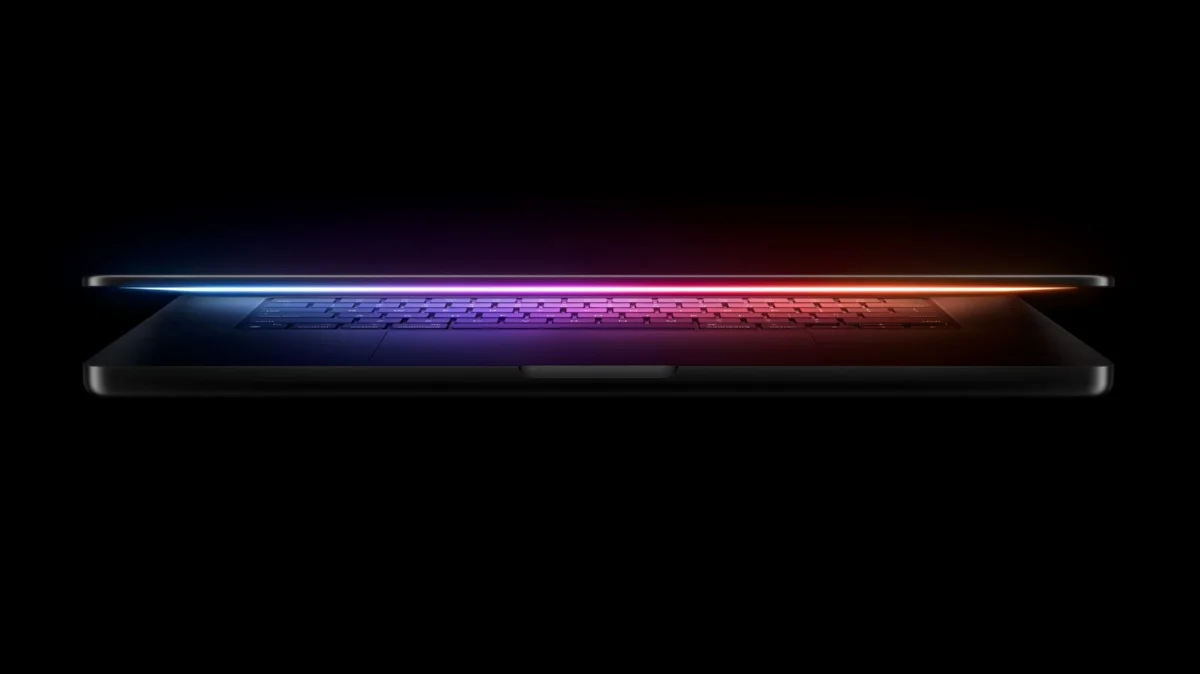
Beyond the customary iPhone updates, this autumn Apple hardware showcase promises a historic metamorphosis for the Mac lineage. Multiple industry leaks indicate that Apple is meticulously crafting a top-tier laptop. This new machine will ostensibly transcend the current MacBook Pro series. Insiders colloquially refer to this flagship as the “MacBook Ultra.” Consequently, this unprecedented model will assemble Apple most formidable display and interactive technologies. The device will likely feature a next-generation OLED panel. Moreover, it might pioneer the introduction of touchscreen capabilities to the Mac ecosystem. The iconic Dynamic Island interface from the iPhone could also make a seamless transition.
Regarding core performance, the MacBook Ultra will directly harness the power of the M6 processor series. Industry analysts surmise that Apple will equip this device exclusively with the high-end M6 Pro and M6 Max chips. This strategy will definitively underscore its elite “Ultra” designation.
If the “MacBook Ultra” materializes as a distinct product line, the traditional MacBook Pro series will retain its established identity. The standard MacBook Pro models will likely pursue a trajectory of conventional specification upgrades. Therefore, they will concurrently adopt the M6, M6 Pro, and M6 Max processors. Apple will utilize divergent aesthetic designs and pricing structures to precisely segment its audience. This approach will effectively separate high-end users from those demanding the absolute zenith of flagship performance.
macOS 27 Foreshadows the MacBook Ultra
Market rumors aside, recent software developments provide compelling clues. Apple recently released the macOS 27 beta during WWDC 2026. This updated operating system introduces touch functionality to the “Sidecar” feature. Users can now employ touch controls when utilizing an iPad as a secondary Mac display. Furthermore, macOS 27 implements new downward swiping gestures. These gestures facilitate page refreshing within native Apple applications like Safari, Mail, and News. Consequently, these software enhancements strongly imply the impending arrival of touch-based interactions on the new MacBook Ultra.
Additionally, macOS 27 integrates a revamped, Siri-driven “Search or Ask” functionality. Apple has seamlessly woven this feature into the updated Spotlight search. The interface retains the dark, pill-shaped aesthetic synonymous with iOS 27. Therefore, it is highly probable that the new Mac interface will mirror the iPhone Dynamic Island design.
Desktops May Debut the M6 Processor
Despite the intense anticipation surrounding the MacBook Ultra, laptops might not debut the M6 processor. Recent murmurs regarding Apple’s M6 chip launching this fall with these new products suggest a strategic pivot. Reflecting on earlier predictions, Bloomberg reporter Mark Gurman strongly hinted at an accelerated M6 timeline in his January column. He postulated that the M6 processor could arrive much earlier than anticipated. Moreover, he suggested that Apple might bypass highly anticipated laptops for the initial launch. Instead, the company could deploy the new silicon in specific, specialized machines first.
Gurman cited the M4 processor’s deployment as a precedent. The generational leap from M3 to M4 occurred within a brief five-month window. Surprisingly, Apple bestowed the M4 debut upon the iPad Pro rather than a Mac. This unconventional chip launch strategy could undoubtedly repeat itself with the M6 processor.
Considering the market does not expect a new iPad Pro this autumn, industry media offer a logical hypothesis. They postulate that the most likely candidates for the initial M6 rollout are aging desktop computer lines. These machines currently lag in processing generations and desperately require updates. Therefore, the all-in-one iMac, the compact Mac mini, and the professional-grade Mac Studio stand out as prime candidates for the initial launch.
Accelerating Silicon: Segmenting Ultimate Productivity
If the M6 processor successfully debuts this autumn, it broadcasts two critical industry signals. First, Apple has substantially compressed its silicon iteration cycles. The company faces mounting pressure from the formidable Qualcomm Snapdragon X series. Simultaneously, the explosive demand for Apple Intelligence capabilities necessitates rapid advancements. Consequently, Apple can no longer rely on its comfortable biennial upgrade cadence. By leveraging TSMC’s stable advanced manufacturing processes, Apple aims to sprint forward. They intend to push Mac hardware performance and AI inference capabilities to absolute extremities.
Strategic Market Positioning
Second, the inception of the “MacBook Ultra” symbolizes a novel era of segmentation for Apple’s laptop portfolio. Over the past several years, the MacBook Pro has evolved to satisfy the demands of professional users. This immense power has inadvertently cultivated a degree of “performance surplus” and “innovation stagnation.” Now, Apple plans to consolidate expensive, experimental technologies like touchscreens, OLED panels, and the Dynamic Island. They will package these advancements within the new “Ultra” framework.
This strategy rationally justifies an inevitably premium price point. Furthermore, it allows Apple to boldly test the market’s appetite for next-generation laptop paradigms. They can accomplish this without jeopardizing the stable sales volume of the existing MacBook Pro lineage. Ultimately, this positions Apple to fiercely compete with formidable emerging alliances.
Regarding the inaugural M6 device, supply chain logistics offer a pragmatic perspective. Debuting the new processor in desktops with stable shipment volumes represents a shrewd strategy. Utilizing the Mac mini or iMac to “test the waters” ensures optimal yield rates and efficient initial chip distribution. Furthermore, this measured approach secures vital preparation time. Apple can then adequately stockpile components for the highly anticipated, high-volume MacBook Ultra and MacBook Pro series.
Support Our Threat Intelligence
If you find our technology report and cybersecurity news helpful, consider supporting our work.
 Buy Me a Coffee
PayPal
Buy Me a Coffee
PayPal