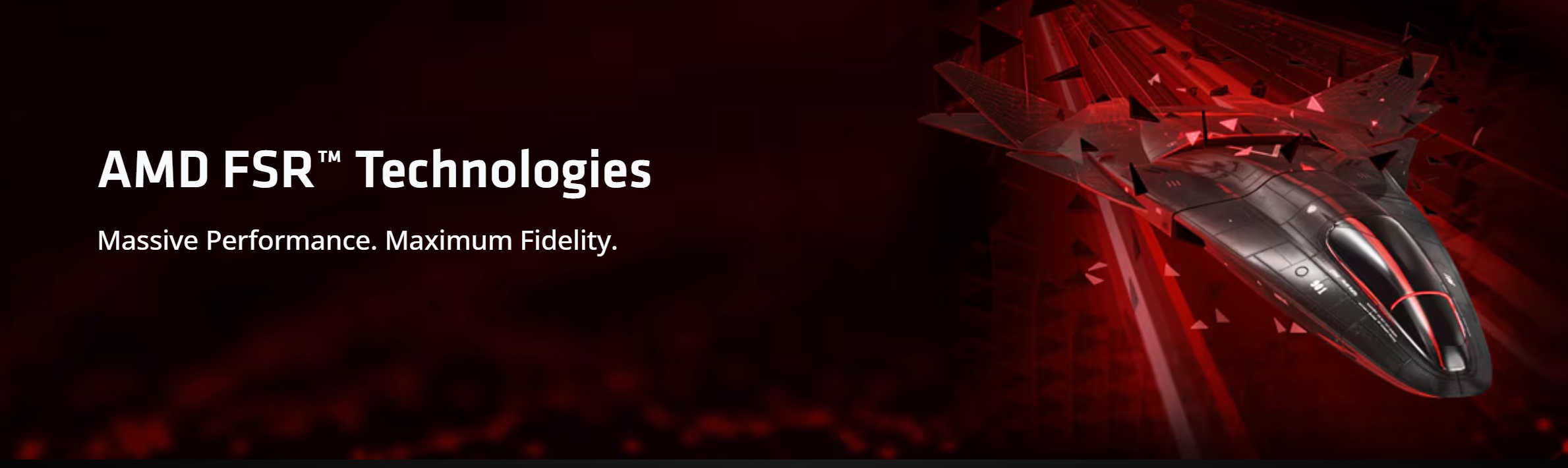
Initially, AMD launched its FSR 4.1 super-resolution technology exclusively for its RX 9000 series graphics cards. These cutting-edge GPUs utilize the advanced RDNA 4 architecture. Furthermore, this technology harnesses the FP8 instruction set to deliver extraordinary performance and breathtaking visual fidelity. However, AMD originally excluded legacy graphics cards from this vital update. Consequently, this decision sparked considerable frustration across the gaming community. Meanwhile, rival Nvidia actively expanded its own modern super-resolution features to older hardware.
Gamers utilizing older AMD graphics cards naturally felt abandoned. Fortunately, following intense community demand, AMD released a new driver to address this concern. This update finally brings FSR 4.1 capabilities to legacy hardware. Specifically, the supported RX 7000 series cards adopt INT8 technology instead of FP8. Therefore, performance suffers a slight degradation compared to the flagship RX 9000 series. Nevertheless, this essential update still noticeably enhances in-game visual quality for thousands of players.
Early Arrival for RDNA 3 Desktop GPUs
AMD originally scheduled FSR 4.1 support for the RX 7000 series for a July 2026 release. However, the company surprisingly accelerated this timeline to deliver early support. Today, users can download the latest AMD Adrenalin Edition 26.6.2 graphics driver. Following a quick installation, gamers can immediately activate FSR 4.1 on their RX 7000 series hardware.
Moreover, AMD promises that these specific optimizations prioritize uncompromising performance. Consequently, any performance penalty remains negligible compared to existing manual workarounds. Currently, a vast majority of RX 7000 users rely on a community-modified iteration of FSR 4.0.2c. Naturally, this awkward situation arose directly from AMD’s initial lack of official support. Thus, dedicated community members had to manually compile a compatible version from leaked source code.
Impending Support for Handheld Gaming Consoles
AMD also confirmed that APU chips based on the RDNA 3 and RDNA 3.5 architectures will soon receive this update. For these integrated graphics solutions, AMD plans to engineer an entirely new, lightweight machine learning model. This innovation will effectively expand AMD FidelityFX Super Resolution to a broader spectrum of devices. These upcoming supported devices include laptops, mini-computers, and portable gaming consoles. Currently, numerous hardware options feature RYZEN AI 300, 400, and RYZEN AI MAX 300, 400 APUs. Therefore, official feature support remains crucially important for this demographic of mobile gamers.
Presently, AMD has merely confirmed its intention to provide this expanded support. The company has not yet unveiled a definitive implementation timeline. Consequently, users operating AMD APU chips must exercise patience for the time being. Historically, AMD deploys software support updates at a rather sluggish pace. Therefore, enthusiastic gamers might need to endure a considerably longer waiting period before receiving these benefits.
Support Our Threat Intelligence
If you find our technology report and cybersecurity news helpful, consider supporting our work.
 Buy Me a Coffee
PayPal
Buy Me a Coffee
PayPal