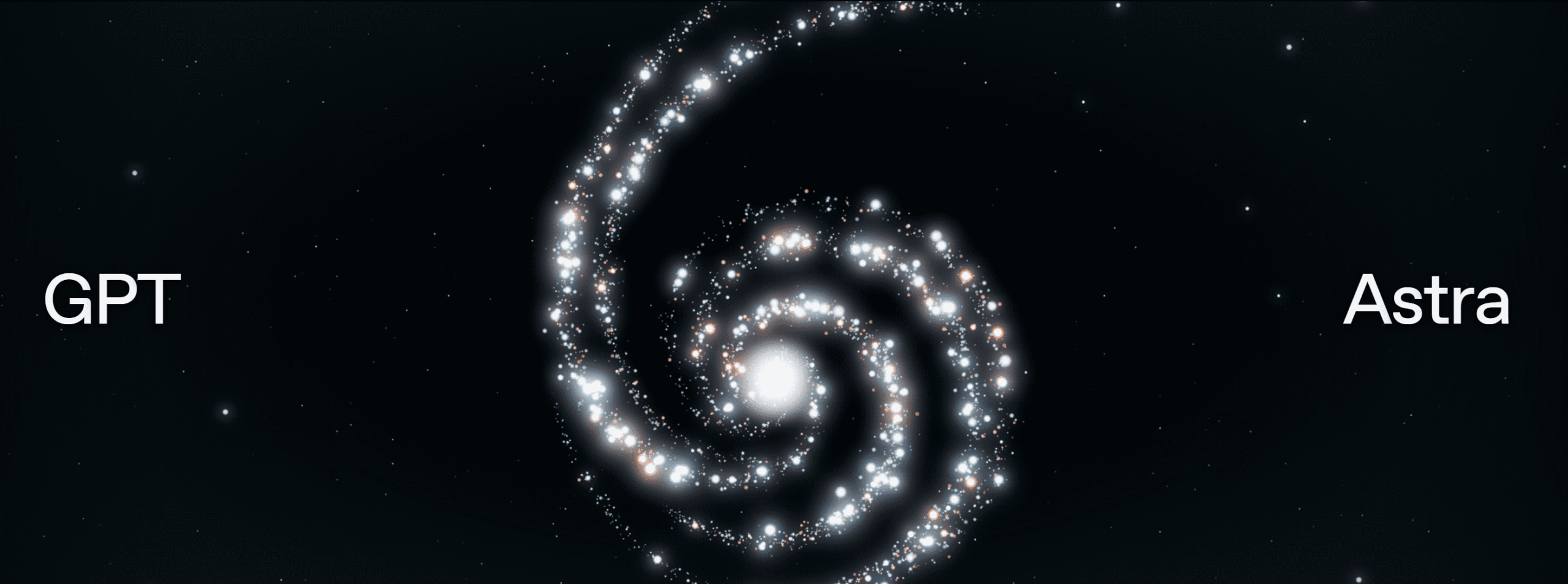
The latest artificial intelligence release struck market valuations rather than staffing schedules. On September 8, the market triggered a sharp decline in the shares of prominent software developers following the launch of GPT-6 Astra. Salesforce and Intuit shed approximately 4 percent, ServiceNow plummeted by 5 percent, and the S&P 500 Software and Services index retreated by 1.4 percent for a second consecutive day. Furthermore, the broader S&P 500 index closed with a 0.58 percent decline.
The Looming SaaSpocalypse Threat
This aggressive sell-off stemmed from mounting fears that a universal agent might usurp the functions of specialized services. OpenAI introduced Astra as an autonomous system capable of navigating browsers and applications independently. It can write code, compile complex spreadsheets and presentations, construct websites, and execute intricate professional workflows without requiring constant human intervention.
For the broader market, this looming threat extends far beyond conventional automation. If a single agent can simultaneously master multiple operational scenarios, corporations may drastically reduce their procurement of individualized tools for each employee. This profound peril to the subscription model has already earned the ominous moniker “SaaSpocalypse.” Highly specialized services appear particularly vulnerable, as enterprises could swiftly replace them with bespoke, AI-driven solutions.
Evaluating True Operational Costs
Earlier, on September 3, OpenAI showcased Astra as a monumental leap forward in computer interaction and professional task management. The application programming interface access costs $10 per million input tokens and $50 per million output tokens. However, this raw token pricing does not inherently prove that the agent is currently more economical than traditional corporate SaaS platforms. Legacy systems still boast deep integrations, dedicated support, and guaranteed service levels.
Market Expectations vs. Corporate Realities
Presently, the stock market is trading on fervent expectations far faster than corporate financial reports can evolve. Recent industry analysis indicates that major software vendors still retain formidable positions due to deeply entrenched integrations, vast repositories of accumulated data, and the prohibitive costs associated with replacing mission-critical systems. While artificial intelligence undoubtedly exerts immense downward pressure on valuations, a mass exodus of clients from established platforms like Salesforce and ServiceNow remains entirely unseen.
Ultimately, the current sell-off primarily signifies a paradigm shift regarding where investors are willing to allocate premium capital. Astra has fortified the narrative that intrinsic value is migrating away from isolated SaaS applications toward universal agents and foundational AI infrastructure. A genuine turning point will emerge only when tangible declines in software subscriptions and corporate revenue materialize within official financial results, rather than merely echoing through volatile stock market quotations.
Support Our Threat Intelligence
If you find our technology report and cybersecurity news helpful, consider supporting our work.
 Buy Me a Coffee
PayPal
Buy Me a Coffee
PayPal