In August 2025, Apple avoided a proposed 100 percent tariff on semiconductor imports. Most observers credited Apple’s pledge to invest hundreds of billions of dollars in US manufacturing. Now, a Wall Street Journal investigation reveals a hidden element of the deal. The White House reportedly pressured Apple to direct some chip orders to Intel’s US-based fabrication plants.
The Negotiations Behind the Deal
Details of this politically charged negotiation have surfaced recently. Commerce Secretary Howard Lutnick, President Trump, and Apple CEO Tim Cook held multiple high-level meetings. Beyond the publicized investment commitments, Intel was reportedly a central topic throughout those discussions.
The timing is significant. Those private negotiations coincided with a major US government financial move. The administration announced a $9 billion investment to acquire roughly a 10 percent stake in Intel. In practical terms, the White House had become a major Intel shareholder. That gave it a clear financial incentive to help Intel secure a landmark customer order. The $9 billion national stake needed to look like a winning trade.
Trump later confirmed the arrangement publicly on his Truth Social platform. He stated that Apple would use Intel-manufactured chips in some future products. He also said he decided to help Intel because the United States urgently needs domestic chip fabrication capability.
What Chips Will Intel Make for Apple?
The financial value of Apple’s chip orders is modest relative to its total US investment pledge. However, the symbolic impact on Intel investor confidence and its share price is substantial.
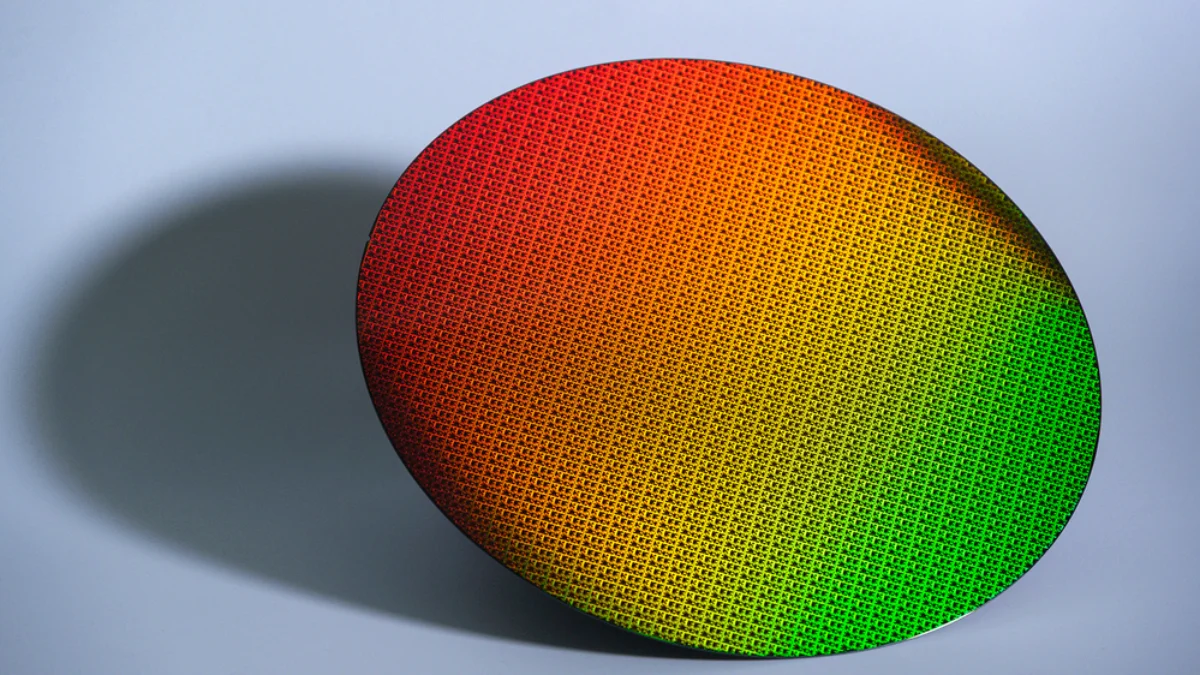
Two chip categories have emerged as likely candidates. First, Mac-specific Apple Silicon processors could enter Intel fabs, possibly on mature process nodes to fulfill domestic manufacturing requirements. Second, Apple relies on large volumes of peripheral controller ICs. These include power management, communications, and display control chips. Apple needs them across its full product lineup beyond the core A-series and M-series processors.
According to Apple analyst Ming-Chi Kuo, Intel has already begun early production testing for Apple chip designs. His May assessment put the target commercial shipment date at 2027.
A Strategically Useful Outcome for Apple
On its surface, this White House-brokered deal looks like a political toll Apple was forced to pay. In the context of the current industry landscape, however, it functions as a strategically useful move. Since the generative AI infrastructure boom accelerated in 2025, competition for TSMC’s advanced process capacity has intensified sharply. NVIDIA and AMD have joined Apple in pressing for production allocations. Although Apple remains TSMC’s largest customer, supply displacement risk has grown. Apple therefore has a genuine strategic interest in cultivating a secondary foundry.
Intel’s commercial foundry business has struggled. Yet its physical wafer fabrication assets in the United States remain intact.
Who Benefits and How
By accepting this arrangement, Apple trades a limited volume of mature-node orders for full tariff exemption. That protects iPhone and Mac profit margins in the US market. Simultaneously, it aligns Apple with the Trump administration’s domestic manufacturing agenda.
The White House gains a plausible return on its $9 billion Intel stake. For Intel, the deal delivers a credibility boost and a high-profile customer. Apple, in turn, locks in tariff protection and long-term supply diversification at relatively low cost.
Turning political pressure into a supply chain hedging move is a skill Tim Cook has demonstrated before. This outcome again showcases that practical approach.
Support Our Threat Intelligence
If you find our technology report and cybersecurity news helpful, consider supporting our work.
 Buy Me a Coffee
PayPal
Buy Me a Coffee
PayPal