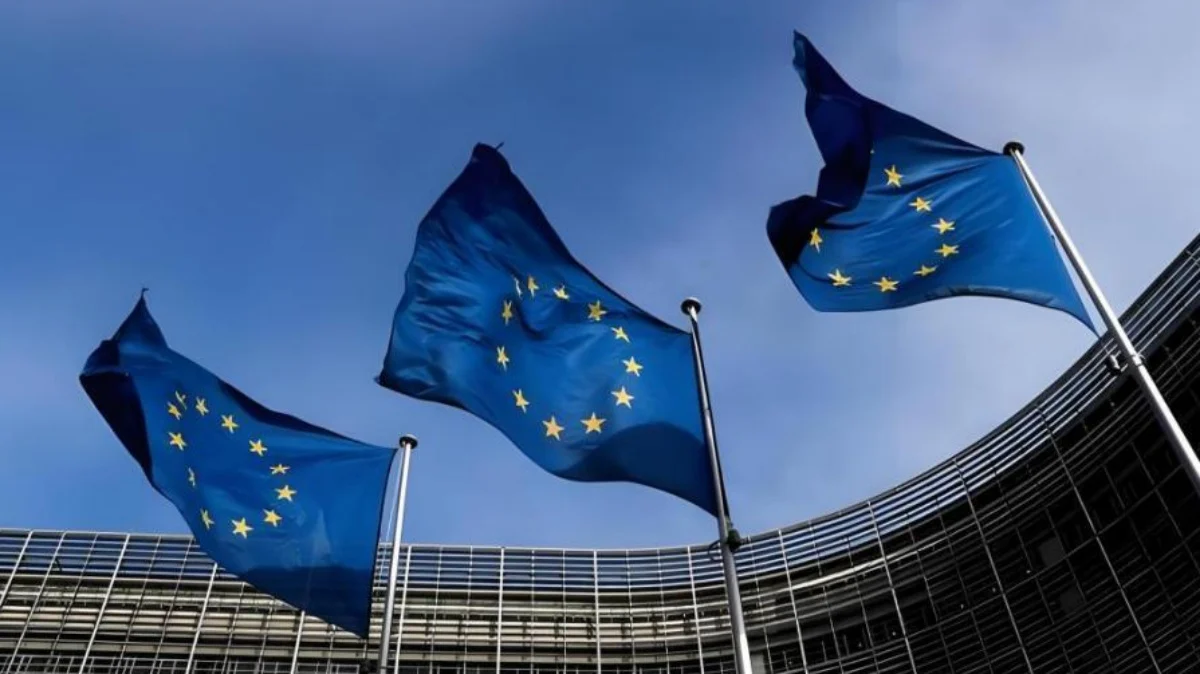
The European Union’s Digital Services Act came formally into force in 2024. Under its provisions, companies designated as Very Large Online Platforms bear an obligation to assess and mitigate the risk of illegal goods spreading through their services.
Both Temu, the international arm of Pinduoduo, and Alibaba’s AliExpress fall within that designation.
AliExpress Fined €550 Million
The European Commission recently imposed a penalty of €550 million on AliExpress for breaching the Digital Services Act. Brussels concluded that the company had failed to take adequate measures against the sale of illegal goods on its platform.
The central finding concerned over-reliance. AliExpress leaned excessively on automated moderation systems, yet never adequately assessed how effective those systems were at detecting illegal listings in practice.
A Gap Nobody Measured
Investigators noted that AliExpress had never measured the discrepancy between what its automated system claimed to catch and what it actually caught.
Consequently, the company employed too few human reviewers. Neither illegal goods nor the software’s own blind spots surfaced in good time.
The results were predictable enough. Counterfeit merchandise, unsafe toys, and hazardous cosmetics all escaped detection. Even where the system did identify an illegal product, removal frequently took weeks.
A Loophole in the Rules Themselves
The investigation uncovered something more troubling still. Sellers could evade scrutiny entirely by posting illegal goods under categories governed by laxer review rules.
This is no longer merely a flaw in an automated system. It represents a defect in the platform’s own safety processes, and it actively encouraged the sale and circulation of illegal products.
AliExpress Disputes the Penalty
Upon receiving notice of the fine, AliExpress objected. The company called the sum excessive.
It further argued that since the Digital Services Act took effect, it has committed substantial resources to risk assessment and mitigation, product safety, and consumer protection. AliExpress maintains that it has cooperated constructively with the Commission throughout, offering voluntary commitments along the way.
What Happens Next
AliExpress is presently evaluating the penalty and weighing its options. By convention, an appeal seems likely.
Regardless, Brussels requires the company to submit an action plan by 20 October, setting out precisely how it intends to correct the violations. Should the Commission approve that plan, it will set a deadline and require AliExpress to complete its remediation within the allotted period.
Temu Fined €200 Million
On 28 May, the European Commission announced a penalty of €200 million against Temu. The grounds were substantially similar.
Temu had failed to identify, analyse, and assess the systemic risks posed by the various illegal products available through its platform. Such failures carry real potential for harm to European consumers.
What Counted as Illegal
The illegal products at issue were chiefly items that failed safety testing or fell short of required standards.
Examples included chargers that failed safety certification, infant toys containing chemicals above statutory EU limits, and infant toys whose detachable parts posed a choking hazard.
The Commission’s Assessment
Brussels found that Temu had gravely underestimated the likelihood of European consumers encountering illegal goods.
Moreover, the company had not properly evaluated how the design of its own service might aggravate the spread of such products. Algorithmic recommendation systems and affiliate marketing programmes drew particular attention.
The Broader Signal
Two record penalties in as many months mark a clear shift in enforcement posture. Marketplaces can no longer treat moderation as a box-ticking exercise.
The Commission’s message is that scale offers no defence. Platforms must demonstrate that their safeguards work, not merely that they exist.
Support Our Threat Intelligence
If you find our technology report and cybersecurity news helpful, consider supporting our work.
 Buy Me a Coffee
PayPal
Buy Me a Coffee
PayPal