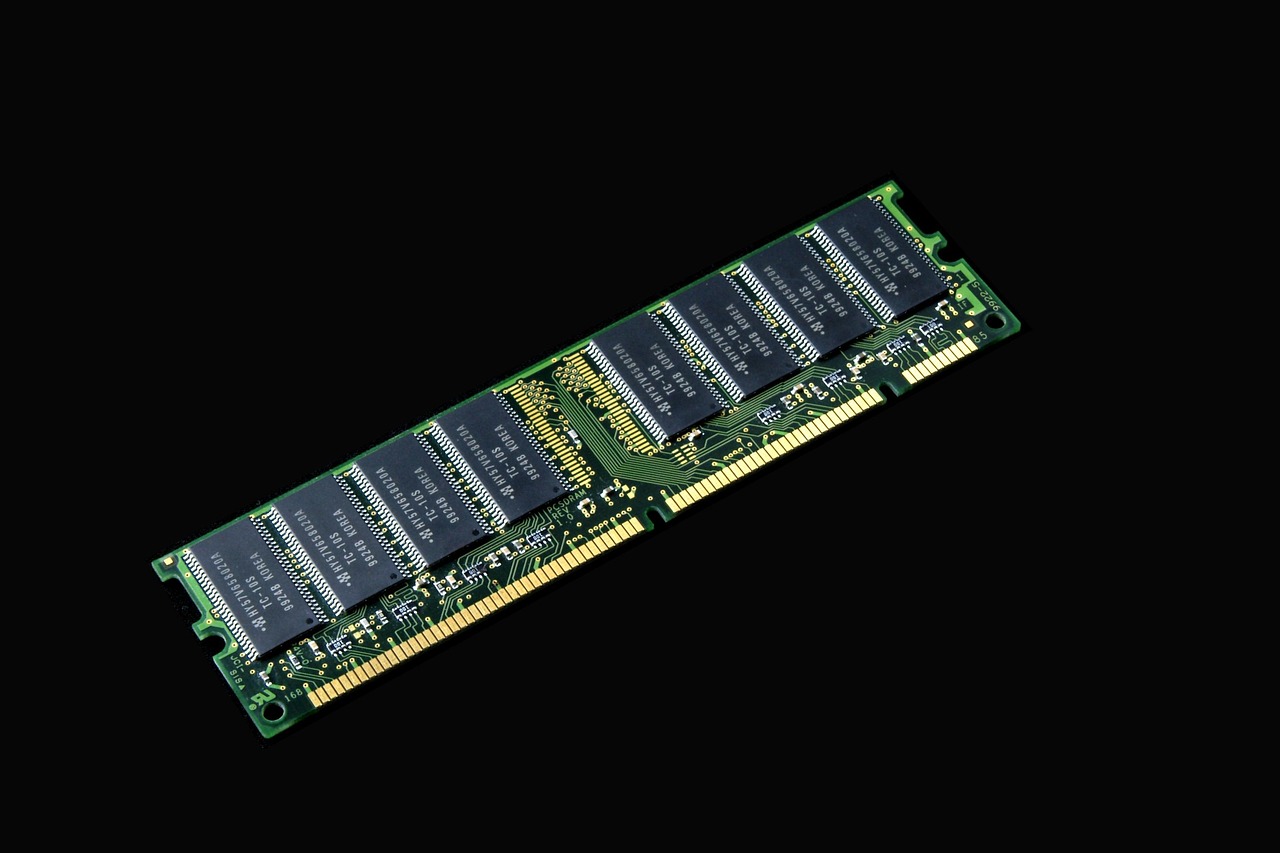
Jason Chen, the esteemed Chairman and Chief Executive Officer of the renowned computer manufacturer Acer, recently offered profound insights regarding the ongoing memory shortage. He anticipates that personal computer prices will surge by an additional 5% to 20% throughout the fourth quarter of 2026. Furthermore, he projects this upward pricing trajectory will persist well into 2027, ultimately stabilizing and ceasing its ascent only during the latter half of the year.
Memory Shortages Will Not Persist Until 2030
The relentless escalation in personal computer pricing stems primarily from the surging costs of essential components. While memory modules represent the most substantial price hikes, other vital hardware pieces like processors, graphic cards, solid-state drives, mechanical hard drives, and motherboard chipsets are simultaneously experiencing significant supply cost increases. Naturally, this cumulative financial burden directly inflates the final retail price of personal computers.
Based on his expert evaluation of the memory supply chain, Chen expects the situation to gradually ameliorate by the end of next year. He posits that memory prices will continue their ascent through the first half of 2027 before finally stabilizing in the second half. By that juncture, the costs of other fundamental components should also achieve a steady equilibrium rather than continuing their relentless climb.
Gradual Improvements in Memory and CPU Supply
Chen revealed that DDR4 and DDR5 memory modules no longer face the severe deficit dilemmas experienced previously. Concurrently, the central processing unit supply chain is demonstrating steady improvement. Currently, only specific entry-level and mid-range CPU models suffer from constrained availability, while the supply of other processor tiers continues to stabilize. (However, AMD has already announced impending CPU price adjustments scheduled for October).
Despite these positive indicators, the current ordeal is far from over for PC manufacturers. Chen emphasized that component prices will inevitably climb further in the fourth quarter of 2026, estimating the increase to hover between 5% and 20%. This margin directly correlates with the anticipated hike in retail PC prices. After all, original equipment manufacturers simply cannot absorb these exorbitant component cost increases independently. Consequently, they must elevate product prices, effectively transferring the financial burden directly to the consumer. As noted in recent hardware analysis regarding how memory makers are hyping 2030 shortage fears to protect margins, these complex market dynamics severely complicate the near future for tech companies.
The glaring issue remains that escalating PC prices will inevitably precipitate a drastic decline in sales volume. A growing demographic of users will choose to upgrade individual components incrementally. Alternatively, many will simply prolong the lifespan of their existing equipment rather than investing in entirely new systems. Therefore, until prices return to a rational and justifiable range, the entire PC industry confronts a landscape fraught with formidable economic challenges.
Support Our Threat Intelligence
If you find our technology report and cybersecurity news helpful, consider supporting our work.
 Buy Me a Coffee
PayPal
Buy Me a Coffee
PayPal