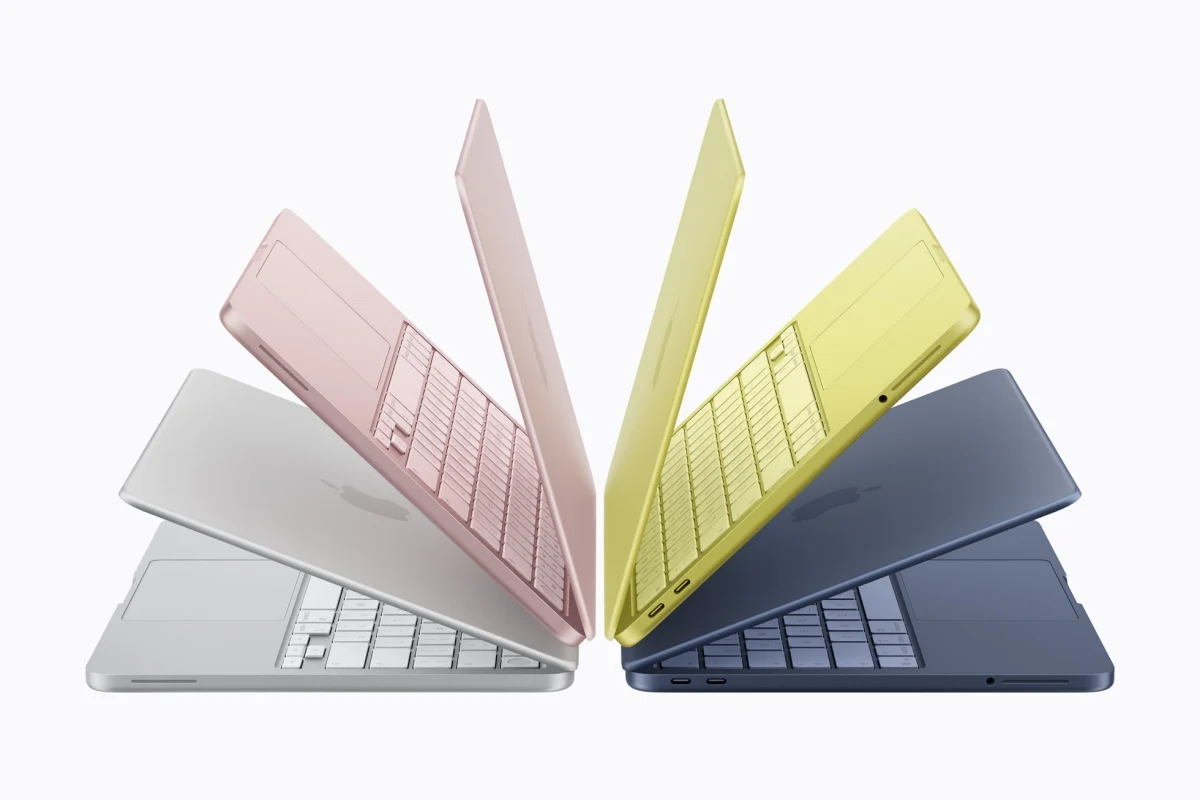
The AI boom sparked a severe global memory shortage. Consequently, the personal computer market just suffered its first decline in two years. This sudden downturn directly follows nine consecutive quarters of robust growth. According to the latest report published by market research firm IDC, global PC shipments fell by nearly 5% recently. Total shipments subsequently dropped to exactly 68.2 million units.
This devastating memory famine began as a hidden concern in late 2025. It has now rapidly escalated into a full-scale global crisis. Therefore, it is significantly impacting the entire technology sector. Furthermore, IDC projects that this crippling shortage will likely persist well into 2028.
A Peculiar Disconnect: Shipments Fall While Revenues Rise
A frustrating market spectacle hides behind these seemingly dismal shipment figures. Indeed, consumers are demonstrably buying fewer personal computers today. Yet, the total revenue of major PC brands continues to climb steadily.
Jitesh Ubrani, a prominent IDC researcher, highlighted this strange anomaly. He stated that the core focus of this market report reveals a severe decoupling. Specifically, shipment volumes are completely detaching from sales revenues. Shipments are actively declining, yet overall revenue is soaring. This happens because major brands transfer price increases to consumers rapidly. They execute this much faster than the pace of declining market demand.
Simply put, memory manufacturers confidently raise their component prices. PC brands then swiftly hike the retail cost of new machines. Ultimately, end consumers absorb all these elevated costs without any hesitation. Moreover, Ubrani issued a stark warning regarding our immediate future. Brands will soon deplete their existing inventories of low-cost memory. Consumers will then face even steeper price hikes later this year. Consequently, the shipment decline will likely expand much further. This situation will undoubtedly disrupt the traditional PC replacement cycle.
MacBook Neo Surges: Apple Emerges as the Sole Victor
Amidst this widespread wave of decline, Apple stands as the lone exception. The immensely popular MacBook Neo launched this spring. It subsequently drove incredibly robust market demand. Thanks to this stellar product, Apple successfully defied the downward trend. The company increased its shipments by a massive 800,000 units compared to 2025. Consequently, Apple elevated its global PC market share to an impressive 9.8%.
Apple Adjusts Its Pricing Strategy
Nevertheless, even the usually unshakeable Apple cannot remain completely immune. Unquestionably, skyrocketing memory costs affect every single manufacturer eventually. In response, Apple recently adjusted its pricing strategy to pass on these expenses successfully.
- MacBook Neo: The base entry-level model rose from its original disruptive price. It jumped from $600 to a new $700 tier.
- MacBook Air: Meanwhile, this model suffered an even more dramatic financial impact. The starting price for its standard entry-level version has surged to $1,300.
Tim Cook, the outgoing CEO of Apple, addressed this ongoing issue. Indeed, he noted that consumers deeply desire new devices right now. However, upstream supply is constantly shrinking across the board. This dynamic allows memory manufacturers to pass along massive price increases. Therefore, we desperately need memory prices to return to reasonable standards.
Despite these supply chain challenges, Apple delivered a staggering $68.5 billion cash reserve. This represents an impressive annual growth rate of 41%. Furthermore, the total market capitalization of the company surpassed $4.6 trillion. This financial triumph proves a very crucial point. Ultimately, tech giants retain sufficient pricing power to protect their margins flawlessly.
AI Monopolizes Wafer Capacity: PCs Become Semi-Luxury Goods
Specifically, this current decline in PC shipments directly stems from one prevailing trend. The global technology industry heavily prioritizes AI computing power above all else. This obsession has created a very unfortunate side effect.
Since 2025, three major memory titans have aggressively pursued high-margin products. Samsung, SK Hynix, and Micron eagerly chase High Bandwidth Memory. They prioritize this HBM for AI servers alongside premium DDR5 memory. Consequently, they converted wafer production lines previously dedicated to consumer devices.
The Rise of Extreme Market Polarization
As a result, memory prices doubled as the supply imbalance magnified infinitely. This inflation directly placed immense pricing pressure on new products this year. Brands like Nothing, Google, and Microsoft resorted to highly unfavorable strategies. They either eliminated low-capacity options or directly hiked their base retail prices.
Furthermore, Apple’s contrarian growth also reveals a stark economic truth. The future consumer market is rapidly heading towards extreme polarization.
IDC predicts that this memory famine will stretch well into 2028. Future laptops will no longer remain easily upgradeable tools for the masses. Instead, they will gradually evolve into highly expensive semi-luxury items. Ultimately, these devices will demand careful budgeting and severely test consumer wallets.
Support Our Threat Intelligence
If you find our technology report and cybersecurity news helpful, consider supporting our work.
 Buy Me a Coffee
PayPal
Buy Me a Coffee
PayPal