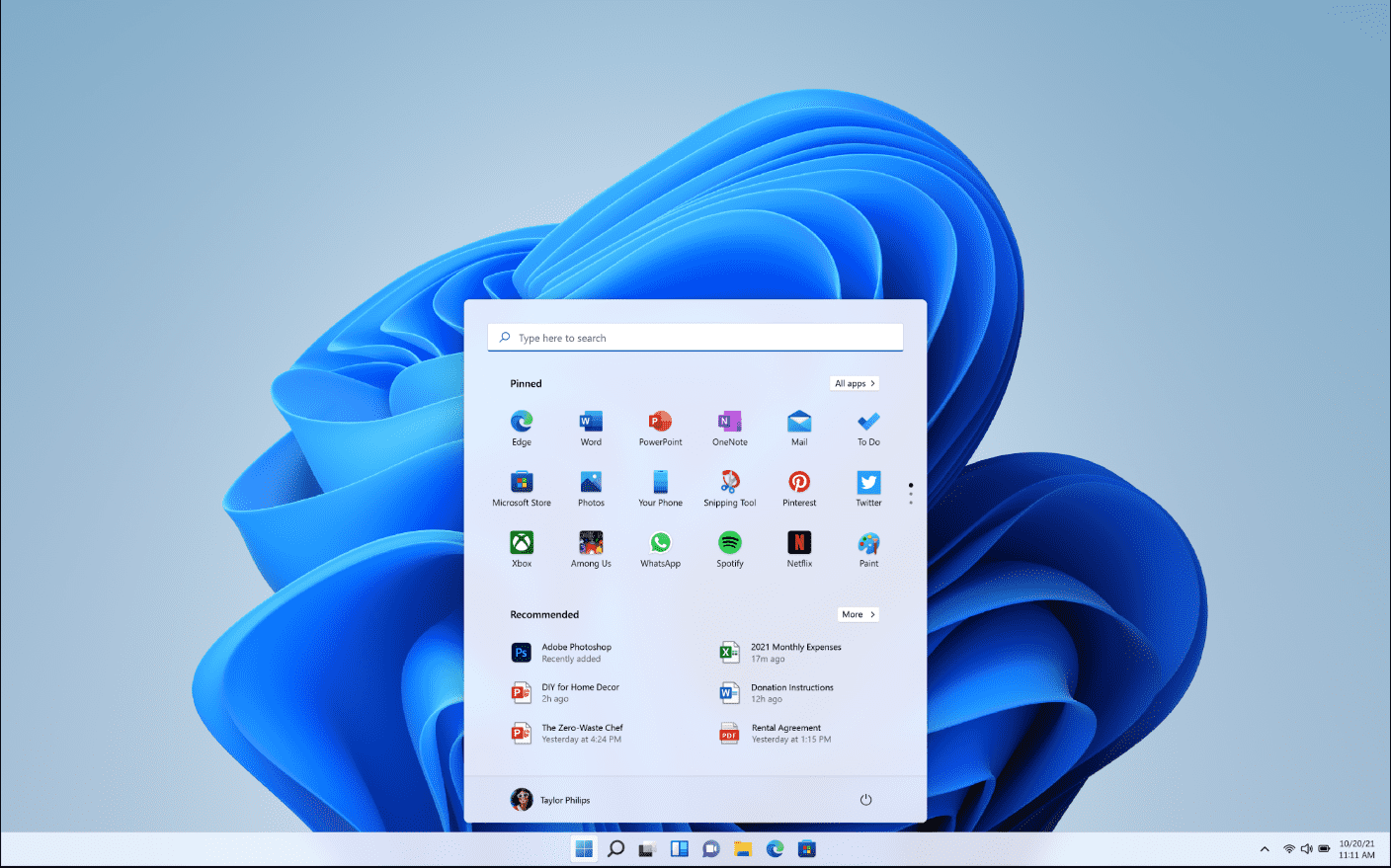
While Windows 11 may project the image of a cutting-edge operating system—replete with Artificial Intelligence, a revitalized interface, and integrated cloud services—its veneer conceals architectural foundations dating back to the 1990s. Mark Russinovich, the Chief Technology Officer of Microsoft Azure, has acknowledged that Win32 remains a quintessential bedrock of the Windows ecosystem, a testament to the unforeseen longevity of a programming interface conceived over three decades ago.
In a reflective discourse, Russinovich remarked that developers in the 1990s envisioned a 2026 defined by “flying automobiles and lunar outposts” rather than the enduring hegemony of Win32. According to the Microsoft executive, this persistence is not a byproduct of happenstance, but rather the result of a colossal ecosystem comprising applications, libraries, and utilities meticulously constructed around the Win32 framework over several decades.
Russinovich characterized Win32 as a “fundamental stratum within Windows,” noting that it underpins both legacy corporate software and a myriad of contemporary instruments. Consequently, an abrupt abandonment of this interface would dismantle compatibility with an immense volume of software. For Microsoft, this commitment to backward compatibility represents both a profound competitive advantage and a structural encumbrance: it ensures Windows remains indispensable for enterprise and development while saddling the platform with the heavy vestiges of bygone eras.
Microsoft has previously attempted to recalibrate the software foundations of Windows, most notably during the Windows 8 epoch with the introduction of the WinRT platform. Russinovich admitted that this API transition failed to yield the transformative results anticipated by many within the corporation; ultimately, Win32 weathered this attempt at displacement as well.
This admission emerges amidst a shift in Microsoft’s rhetoric regarding Windows 11. Following censures from users and enthusiasts, the company has pledged to prioritize performance, reliability, and system optimization. While Microsoft previously marketed Windows as an “agentic OS,” such terminology sparked friction among an audience primarily seeking velocity, stability, and a reduced resource footprint.
Russinovich noted that Win32 provided the scaffolding for utilities such as Sysmon and ZoomIt, which he began authoring as early as 1996. Three decades later, Sysmon remains a vital component of the Sysinternals suite for administrators and security specialists, while ZoomIt has been integrated into PowerToys. In his estimation, these artifacts from the 1990s have become even more pertinent in 2026 than they were at their inception.
The chronicle of Win32 illustrates the central paradox of Windows: Microsoft may adorn the system with AI, novel shells, and cloud synthesis, yet the platform’s resilience continues to rest upon its fidelity to the past. While this legacy may occasionally frustrate users and developers, it is precisely this historical continuity that empowers Windows to execute a staggering breadth of software written over the last thirty years.
Support Our Threat Intelligence
If you find our technology report and cybersecurity news helpful, consider supporting our work.
 Buy Me a Coffee
PayPal
Buy Me a Coffee
PayPal