Meta is secretly developing a brand-new AI smart pendant. According to a report by The Information, the company plans to initiate live testing within the upcoming year.
Concurrently, the enterprise faces staggering financial deficits within its Reality Labs division. To offset these severe losses, Meta intends to launch four distinct smart glasses models before the end of this year.
Ultimately, executive leadership aims to establish a proprietary hardware ecosystem. Specifically, they plan to achieve this through widespread consumer adoption and recurring software subscription models.
The Limitless Acquisition Bears Fruit: An Intuitive AI Pendant
Historically, Meta acquired the innovative wearable technology startup Limitless in 2025. During that period, the startup’s premier offering was a clip-on Bluetooth microphone named the Pendant.
Notably, this device continuously monitors and logs all audio environments surrounding the wearer. Consequently, the hardware generates automated meeting summaries, exact conversation transcripts, and a searchable personal voice repository.
Upon finalizing the acquisition, Limitless Chief Executive Dan Siroker shared an ambitious forecast. Specifically, he stated that Meta’s vision centers on delivering personalized super-intelligence to every consumer.
Therefore, achieving this milestone requires the development of spectacular AI-powered hardware accessories. Presently, this experimental pendant likely represents a deep fusion of Limitless technology and Meta’s proprietary open-source Llama models.
The Saturation Strategy: Four Product Rollouts and Commercial Subscriptions
Furthermore, an internal memorandum from Alex Himel, Vice President of Wearables, outlines Meta’s aggressive deployment timeline. Subsequently, the enterprise aims to maximize user interaction with its native AI models to drive subscription revenues.
Crucially, this operational strategy relies on two foundational pillars. Specifically, these assets include “Hatch,” a consumer-facing AI agent, and “Wearables for Work,” a subscription tier for commercial clients.
Chronological Hardware Deployment Schedule
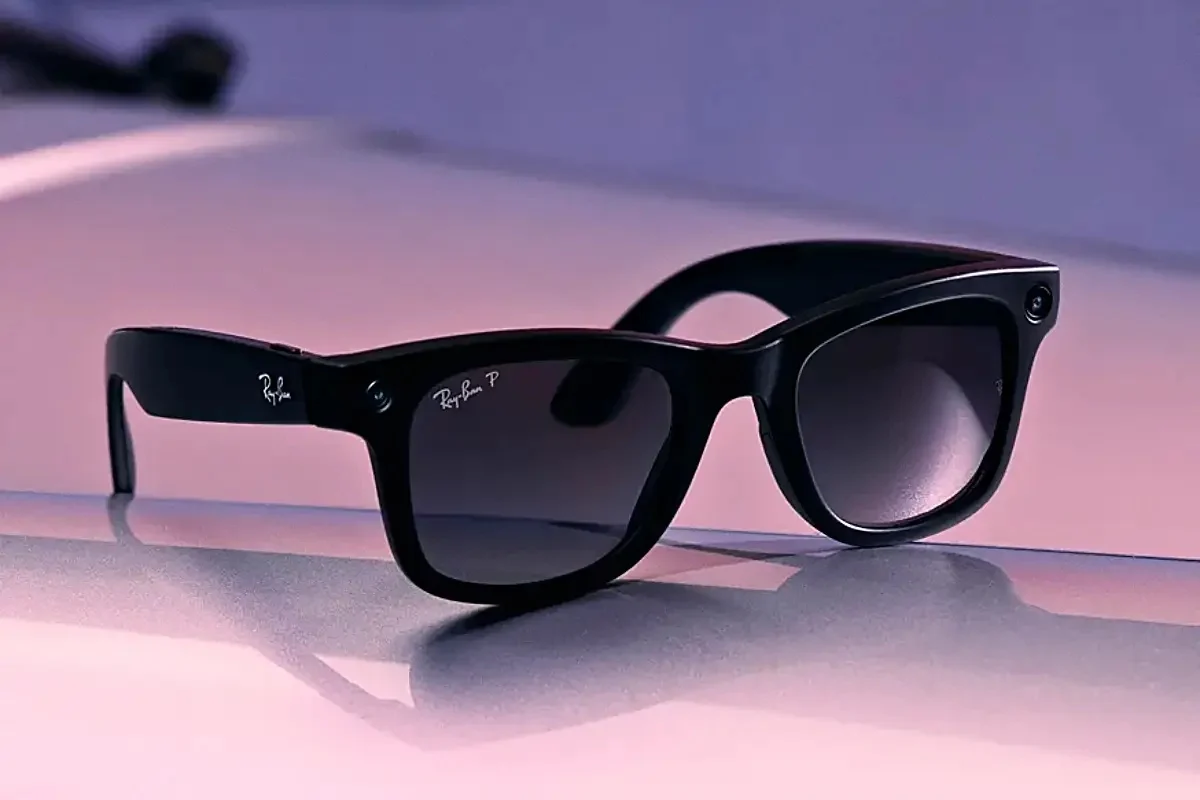
To achieve this widespread adoption, Meta will expand its smart glasses portfolio beyond traditional brand collaborations. Instead of relying solely on Ray-Ban or Oakley, the corporation will introduce several proprietary variants.
According to leaked internal timetables, the initial product launch sequence unfolds rapidly:
- Modelo: This device will likely make its public debut as early as June.
- Luna and RBM2 Refresh: These models will arrive during the autumn cycle.
- Mojito VIP: This premium hardware acts as the grand finale in December.
Additionally, internal engineering groups are actively evaluating futuristic prototypes codenamed “Artemis” and “SSG.” Notably, the acronym SSG represents advanced supersensing glasses.
Consequently, all upcoming eyewear frameworks will run on Meta AI processing engines. Furthermore, these devices will seamlessly integrate the impending, unreleased “Hatch” conversational assistant.
Targeting Ten Million Units and Corporate Profitability
Within the memorandum, Himel explicitly articulated an aggressive commercial performance metric. Specifically, Meta expects to distribute 10 million wearable devices globally during the latter half of this year.
Undeniably, this target requires massive hardware scaling. Therefore, the corporation must aggressively introduce these products into numerous international market sectors.
Concurrently, Meta is actively soliciting commercial enterprise partnerships. Moreover, their current objective is to secure at least 10 corporate entities for the “Wearables for Work” framework.
Additionally, sales teams are targeting at least two large-scale organizations. Specifically, these anchor clients must be capable of purchasing over 100 hardware units in a single procurement cycle.
Zuckerberg’s Strategic Pivot: Lightweight Wearables as a Financial Stabilizer
Evidently, this roadmap highlights a fundamental shift in Meta’s hardware philosophy. Historically, the Reality Labs division functioned as an insatiable capital sinkhole.
For context, the subsidiary recorded a staggering $19 billion loss during the 2025 fiscal year alone. Consequently, Chief Executive Mark Zuckerberg explicitly reassured investors during the fourth-quarter earnings call.
Specifically, he promised that the division would narrow its losses by shifting priorities. Thus, future engineering efforts will center predominantly on smart glasses and lightweight wearables.
Previously, Meta directed massive capital injections toward cumbersome Quest VR headsets to construct an isolated metaverse. However, leadership now realizes that mainstream adoption requires lightweight, non-intrusive devices that integrate into daily routines.
Therefore, consumers will more readily adopt hardware that flows naturally into their lifestyles. Ultimately, such adoption drives recurring software enrollment fees, including the recently deployed Meta One subscription system.
Ultimately, this strategy mirrors Apple’s classic ecosystem model by using hardware to anchor recurring service revenues. Crucially, this pivotal campaign represents the definitive battle of 2026. Succeeding here will finally justify the division’s immense historical expenditures.
Support Our Threat Intelligence
If you find our technology report and cybersecurity news helpful, consider supporting our work.
 Buy Me a Coffee
PayPal
Buy Me a Coffee
PayPal