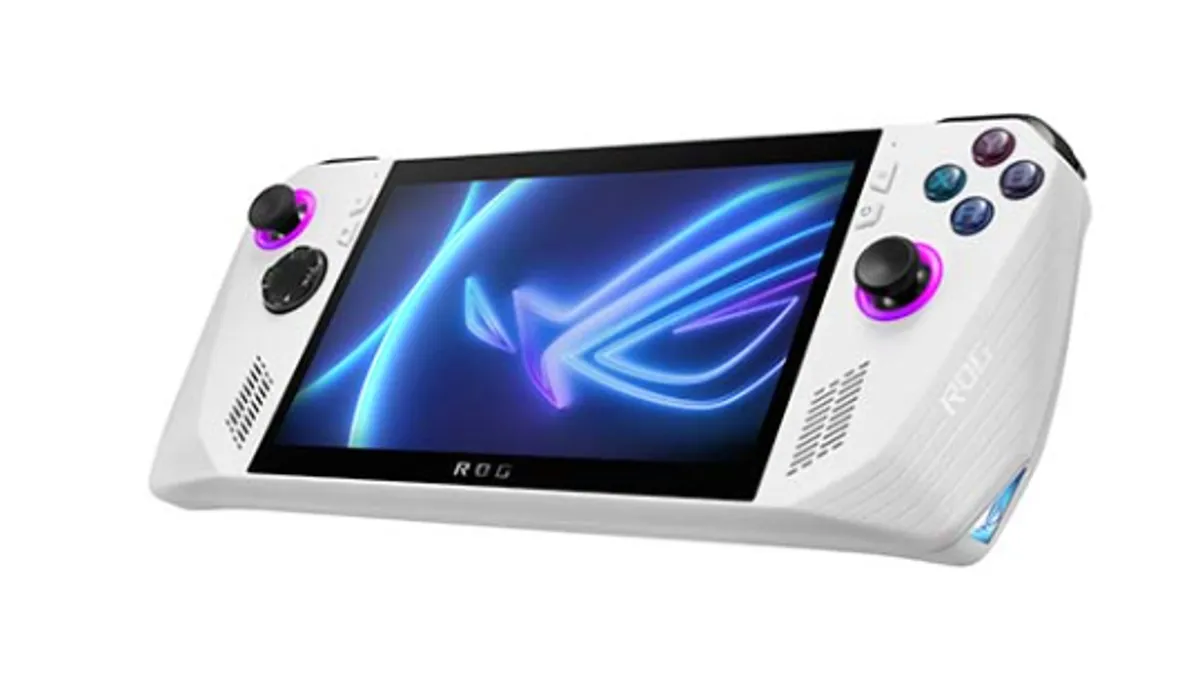
The Steam Deck has garnered substantial acclaim among gaming enthusiasts globally. Specifically, while the handheld console natively operates on the open-source SteamOS, users possess the liberty to install Windows 11.
Furthermore, Valve deliberately refrains from imposing operating system restrictions. This reflects their foundational pledge to maintain an open ecosystem, thereby empowering users to customize their environment.
Deployment of Crucial Drivers
To facilitate a seamless Windows 11 transition, Valve officially provisioned dedicated graphics, Wi-Fi, Bluetooth, and SD card reader drivers. Following installation, users must manually download these drivers.
Indeed, Windows Update may fail to automatically find the optimal configurations. Fortunately, the necessary resources are available via the official Steam Deck Windows Resources page.
Featuring an AMD APU with custom CPU and GPU cores, the hardware exhibits robust baseline compatibility. Nonetheless, collaborative optimizations between Valve and AMD remain paramount to delivering a refined user experience.
However, for most gamers, replacing SteamOS with Windows 11 might prove superfluous. Consequently, constructing a custom mini-PC or desktop often yields better cost efficiency.
Critical Limitation: Absence of Dual-Boot Support
In addition, it is imperative to note that deploying Windows 11 currently necessitates a complete erasure of the pre-installed SteamOS. At this juncture, the system does not natively support concurrent dual-boot configurations comprising both Windows 11 and SteamOS.
Clearly, this limitation stems from the current unreadiness of Valve’s dual-boot wizard within the SteamOS installer. Although Valve intends to rectify this with a subsequent bootloader update, the feature remains absent for now.
Paradoxically, the documentation implies that alternative Linux distributions remain feasible. This is because the current constraint lies strictly within the unoptimized SteamOS dual-boot manager. Therefore, enthusiasts must verify these alternative OS orchestrations independently.
Support Our Threat Intelligence
If you find our technology report and cybersecurity news helpful, consider supporting our work.
 Buy Me a Coffee
PayPal
Buy Me a Coffee
PayPal