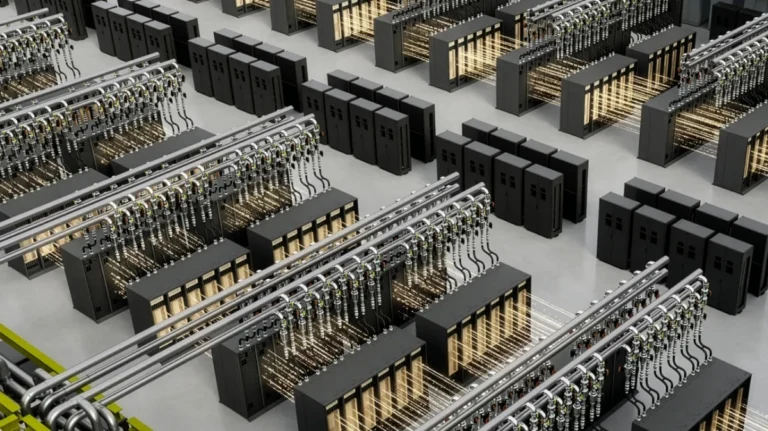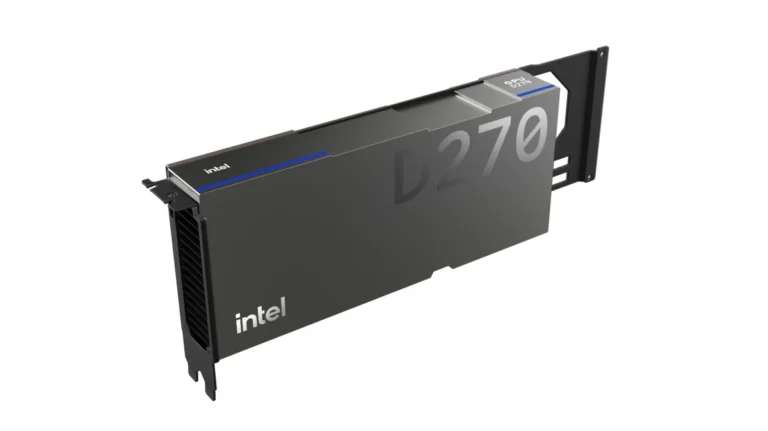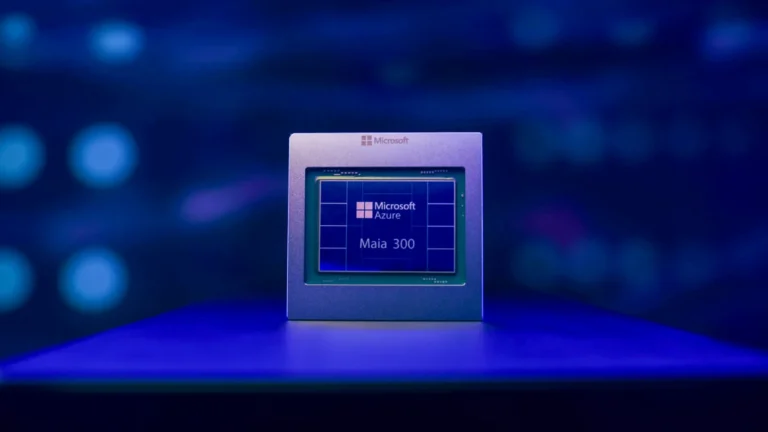
DeepSeek, the Chinese artificial intelligence startup that astounded the global technology sector with its highly efficient, low-cost open-source models, appears poised to expand its operations into hardware development. According to sources cited in a recent Reuters report, the company is actively engineering its proprietary AI chip. Consequently, they have initiated negotiations with manufacturers and commenced recruiting hardware engineers. Ultimately, this strategic maneuver aims to mitigate their dependence on third-party silicon providers like Huawei and NVIDIA. Should these reports be substantiated, the fiercely competitive Chinese AI semiconductor market will welcome a profoundly disruptive heavyweight contender.
Prioritizing Inference to Optimize Large-Scale Deployment
The report indicates that DeepSeek’s current silicon endeavor focuses primarily on inference processing. In contrast to the massive computational power required during the model training phase, inference chips are designed to execute pre-trained AI models efficiently. Therefore, they handle user queries and generate content directly at the edge or within cloud environments.
As global utilization of DeepSeek’s models surges, the computational expenses associated with daily inference operations have escalated correspondingly. By designing a dedicated inference processor, DeepSeek anticipates achieving profound hardware-software optimization. Undoubtedly, this aligns perfectly with their established strategy of pursuing maximum cost-efficiency in model architecture.
Initiating Engineering Recruitment and Manufacturer Negotiations
Insiders have disclosed that DeepSeek has discreetly begun hiring hardware engineers to support this ambitious chip development initiative. Simultaneously, the firm is actively engaging in discussions with prospective semiconductor manufacturing partners.
Given the stringent semiconductor export controls currently enforced by the United States against China, any hardware technologies developed by DeepSeek will likely be restricted to domestic manufacturing and consumption. Nevertheless, the global industry remains vigilant. After all, DeepSeek previously garnered immense recognition by creating open-source models capable of rivaling Western tech giants at a fraction of the cost.
If the company successfully replicates this cost and power efficiency advantage within the hardware domain, it could fundamentally disrupt the domestic AI computing ecosystem. Furthermore, such an achievement might once again send shockwaves through the market valuations and expectations of international semiconductor leaders like NVIDIA.
From Open-Source Software to Hardware Integration: A Logical Progression
DeepSeek’s decision to invest in proprietary inference silicon at this juncture represents a highly rational and inevitable strategic progression.
Firstly, computational autonomy and supply chain resilience constitute the most significant bottlenecks for Chinese AI enterprises today. Under U.S. restrictions on advanced chips, NVIDIA’s tailored offerings are not only performance-limited but also prohibitively expensive. Meanwhile, domestic alternatives, such as Huawei’s Ascend series, grapple with production constraints and ecosystem transition challenges. Therefore, securing proprietary silicon will grant DeepSeek greater control over its future service expansion.
Secondly, the inherent advantages of hardware-software co-design are paramount. Much like Apple’s silicon tailored for its operating systems or Google’s TPUs optimized for its models, DeepSeek is renowned for its exceptional Mixture of Experts (MoE) architecture and memory optimization capabilities. By designing a custom inference chip tailored specifically to the nuances of their models from the foundational instruction set architecture upward, they can extract maximum performance. This targeted approach could deliver unprecedented economic efficiency, characterized by lower power consumption and higher throughput than general-purpose GPUs.
For a startup that previously caused sleepless nights among Silicon Valley titans with its extreme cost-efficiency, their foray into hardware demands the utmost attention from the entire semiconductor and cloud computing industries.
Support Our Threat Intelligence
If you find our technology report and cybersecurity news helpful, consider supporting our work.
 Buy Me a Coffee
PayPal
Buy Me a Coffee
PayPal