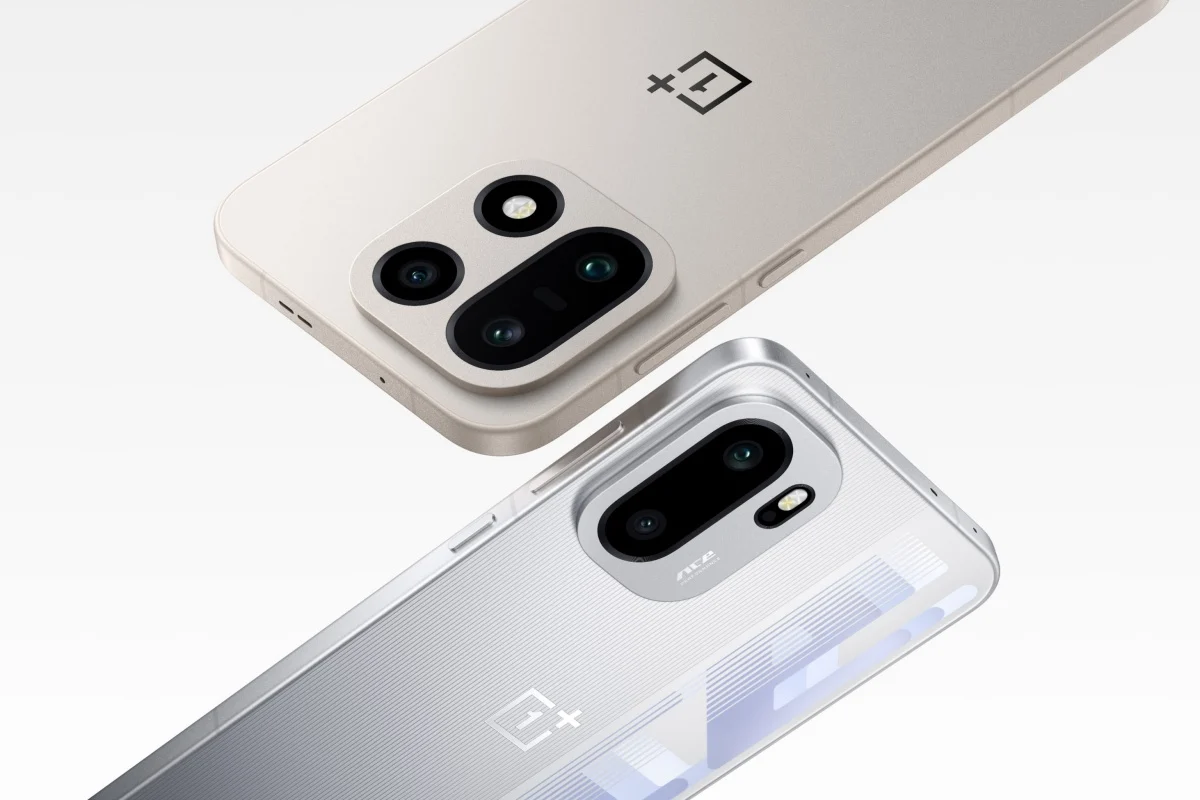
OnePlus is a brand long celebrated in the Android market for its Never Settle spirit. Known as a flagship killer, it may now be approaching its final chapter. Reports from WinFuture suggest OnePlus and parent company OPPO could announce a fundamental strategic restructuring as early as this week. Those plans would involve winding down OnePlus’s global operations and retiring the brand.
What the Restructuring Plan Reportedly Covers
If the leaked details prove accurate, the impact on the global Android ecosystem would be substantial. Several key points make up the reported plan.
First, OnePlus would fully exit core markets including Europe and the United States. No new OnePlus flagship models would be planned for those regions. The current top model, the OnePlus 15, may become the brand’s final high-end device.
Second, existing inventory in Europe and the Americas would be cleared over the coming weeks and months. However, current OnePlus owners should not panic. Official support will continue, including software updates and after-sales service, until each model reaches its planned end-of-life date.
Third, in India and China, OnePlus would not disappear entirely. It would be significantly downgraded. Its product focus would shift to entry-level smartphones and affordable tablets under OPPO as a budget sub-brand.
Fourth, as OnePlus exits Europe, OPPO is expected to expand its own brand there to fill the gap. However, OPPO products are generally priced higher than comparable OnePlus handsets. Whether European consumers will accept that shift remains an open question.
From Flagship Killer to Footnote: How It Came to This
Long-time OnePlus followers may find this outcome unsurprising. The brand first gained traction in Western markets as an independent, geek-friendly option. It offered near-stock software and competitive specs at aggressive prices. Over time, OPPO’s control over OnePlus evolved from an open industry secret into a fully visible deep integration. OxygenOS absorbed ColorOS code, and hardware modules were shared across product lines. The brand’s distinctive identity had already been substantially diluted. The reported dissolution feels like the final punctuation mark on a years-long merger.
The Cost Crisis Behind the Decision
The timing also reflects broader industry conditions. Entering 2026, global memory and processor costs have surged. These now represent more than 60 percent of the bill-of-materials for mid-range and entry-level devices. Under that margin pressure, even large conglomerates like OPPO face severe financial stress.
Maintaining OnePlus as an independent brand in Europe and the Americas became a financial burden. Its own software development team and regional marketing cost more than the brand generated. The strategic logic is clear. Downgrading OnePlus in China and India leverages OPPO’s supply chain to absorb low-end volume. Concentrating European resources on higher-margin OPPO flagships is rational consolidation.
A Melancholy Farewell for Never Settle Fans
For loyal fans who followed OnePlus from its earliest devices, the outcome is bittersweet. The brand that once dared to challenge Samsung and Apple has been absorbed and reduced to a budget label. In the history of Android’s golden era, this represents one of its most melancholy farewells.
What Comes Next: realme as a Blueprint
The trajectory of realme, another OPPO sub-brand, offers a rough preview. Realme focuses on younger consumers who prioritize design and value. In China and India, a repositioned OnePlus brand is expected to coexist alongside realme. Both would target different segments of the budget market.
Support Our Threat Intelligence
If you find our technology report and cybersecurity news helpful, consider supporting our work.
 Buy Me a Coffee
PayPal
Buy Me a Coffee
PayPal