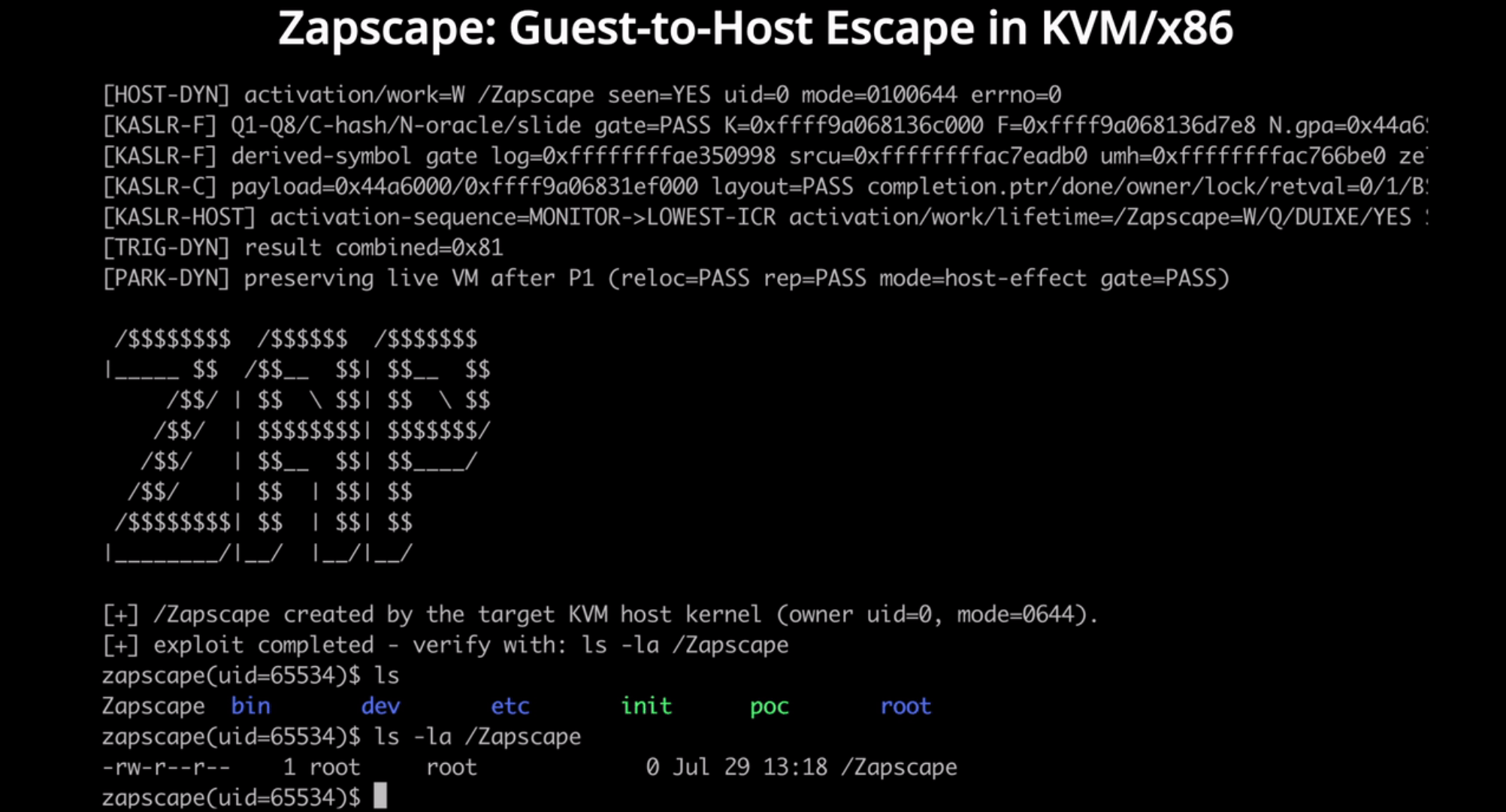
The July Linux Kernel KVM vulnerability left numerous server hosting providers on high alert. This critical flaw enabled virtual machine users to escape their isolated environments. Subsequently, they could compromise the host machine. Consequently, this vulnerability introduced enormous risk for virtual private server and cloud hosting providers. Without immediate kernel upgrades, malicious actors could directly invade the underlying host architecture.
A New KVM Vulnerability Emerges
Recently, security researchers unveiled a parallel KVM flaw residing within the kernel. They officially designated this defect as CVE-2026-64561. This critical vulnerability was publicly disclosed on August 6, 2026. While the foundational code dates back to 2008, the true catalyst lies elsewhere. The actual problem stems from aberrant code introduced during the 2020 release of Linux Kernel 5.9.
The primary threat here is virtual machine escape. This constitutes a catastrophic risk for multi-tenant public cloud providers. Currently, Red Hat assigns this flaw a severity score of 7.0. This score perfectly mirrors the previous July vulnerability. Furthermore, security experts have already released a proof-of-concept. For a comprehensive technical analysis, you can review the detailed vulnerability write-up on GitHub. Remediation progress varies across different distributions. Thus, we strongly advise users to monitor official distribution announcements meticulously.
VPS Providers Schedule Urgent Upgrades
VPS providers are currently orchestrating new downtime schedules to implement vital upgrades. These outages will allow administrators to upgrade kernels and seal this vulnerability. In this context, the downtime specifically affects the upstream physical host machine.
Installing the new kernel necessitates a complete reboot of the host machine. During this critical window, all subordinate virtual servers will experience a transient interruption. Once the host machine successfully reboots, the virtual servers will automatically power on in sequence. Generally, this entire update process demands merely a few minutes.
Protect Your Data During Maintenance
Nevertheless, certain host machines inevitably encounter unforeseen complications. These issues can include power irregularities, hard drive failures, or CMOS anomalies. Therefore, we vehemently recommend that users expeditiously back up their critical server data. Some VPS providers might fail to issue preliminary warnings. Consequently, securing a comprehensive backup ensures you can swiftly restore essential services if anomalies arise.
Support Our Threat Intelligence
If you find our technology report and cybersecurity news helpful, consider supporting our work.
 Buy Me a Coffee
PayPal
Buy Me a Coffee
PayPal